
LOS ANGELES — Authorities arrested 13 people Thursday in a Southern California freight train theft case involving more than $22.5 million in cargo.
The U.S. Attorney’s Office for the Central District of California announced that a federal grand jury indicted 14 people.
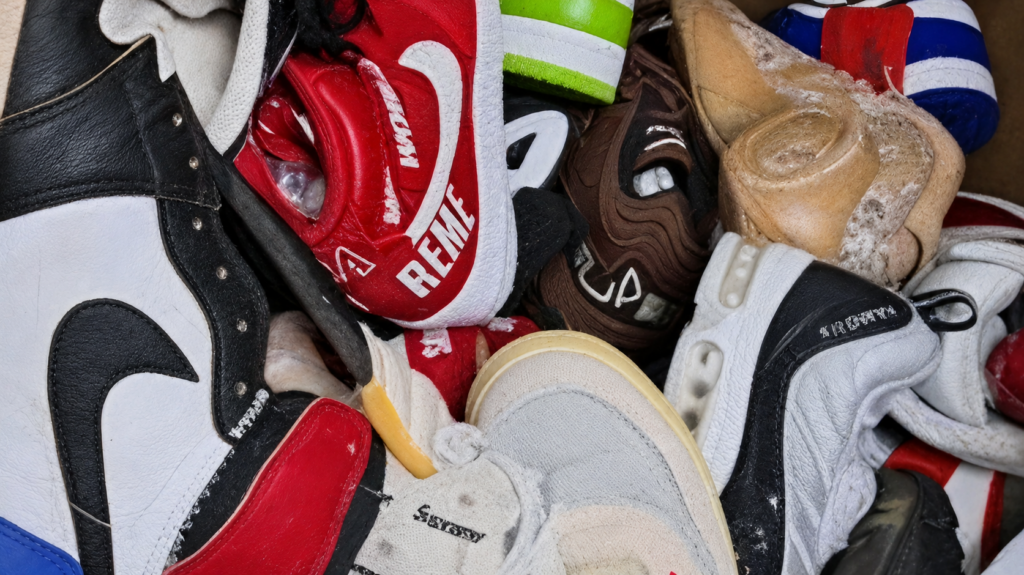
Prosecutors allege the group stole Nike sneakers, Milwaukee tools and other goods from at least 36 freight trains.
Advertisement · House ad

Tiesonomo Media Group, LLC
Put your brand in the conversation.
Let’s talk ↗Tiesonomo Media Group, LLC is Tysonomo Multimedia’s parent company. Promotions for its media services are house advertisements and are labeled separately from news coverage. Advertising purchases placement, not editorial treatment. Our advertising policy.
“The scale of the theft is staggering,” said Bill Essayli, first assistant U.S. attorney.
Prosecutors identified Nathan Daniel Angel, 21, of East Los Angeles, as the alleged leader.
They say the thefts occurred in Pico Rivera, Fullerton and elsewhere in Southern California from February 2024 through August 2026.
According to the indictment, Angel targeted trains carrying imported goods from the ports of Los Angeles and Long Beach for distribution nationwide.
Members of the group allegedly forced trains to stop and moved the cargo to homes used for storage. Prosecutors say Angel discussed resale prices with Daniel Garcia.
Angel also allegedly sent photos of the goods to Fredy Marquina, Carlos Luis Fernando Martinez and Jorge Angel Aguilar Espinoza, sometimes while the thefts were underway.
Marquina and Martinez allegedly sold thousands of pairs of Nike sneakers, many still in their original cartons, to a Los Angeles reseller.
Prosecutors say the business paid them about $1.08 million for sneakers and other goods between May and October 2025.
Garcia allegedly helped deliver stolen goods to Espinoza’s home. Prosecutors say Espinoza stored the goods there, advertised them on social media and sold them for a profit.
An indictment contains allegations that a defendant has committed a crime. Every defendant is presumed to be innocent until and unless proven guilty in court.
Join the discussion
We encourage respectful civil discourse. Reader comments are reviewed before publication. Read our discussion policy.